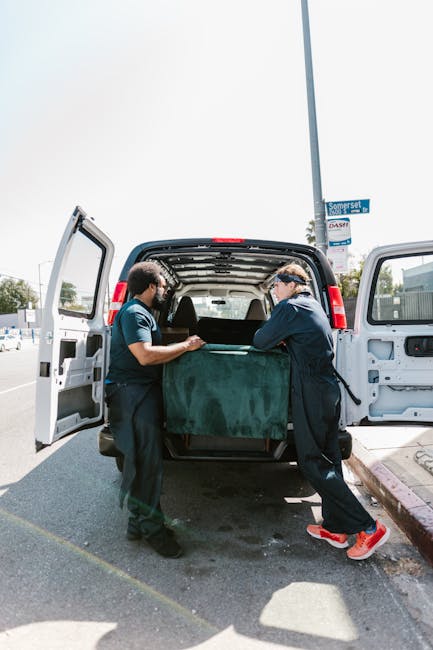
Wimbledon Village removals: narrow-street moving tips that actually work
Moving in Wimbledon Village is rarely a simple drive-up-and-drop-off job. The streets can be tight, parking is limited, and one badly timed van can slow everything down for everyone on the road. If you are planning a move here, the real challenge is not just lifting boxes; it is coordinating a smooth, careful approach that respects the space, the neighbours, and the clock.
This guide brings together practical Wimbledon Village removals: narrow-street moving tips for people who want the move done properly, without the usual stress spiral. You will find route-planning advice, loading ideas, timing strategies, and the small details that make a big difference in a compact London setting. If you are also clearing out old items before moving, it can help to look at local waste and clearance services or read about packing and boxes support in Merton before the big day.
Truth be told, the best narrow-street move is usually the one that looks boring from the outside: calm, tidy, planned, and slightly over-prepared. That is exactly what this article is built to help you do.
Table of Contents
- Why narrow-street moving tips matter in Wimbledon Village
- How narrow-street removals work in practice
- Key benefits and practical advantages
- Who this is for and when it makes sense
- Step-by-step guidance for a smoother move
- Expert tips for better results
- Common mistakes to avoid
- Tools, resources and recommendations
- Law, compliance, standards, and best practice
- Options and comparison table
- Case study example
- Practical checklist
- Conclusion
- Frequently asked questions
Why Wimbledon Village removals: narrow-street moving tips matters
Wimbledon Village has a character all its own. That charm is part of the appeal, but it also means removals can become awkward fast if you treat the area like a standard suburban move. Narrow roads, limited turning space, residents coming and going, and the need to avoid blocking access all raise the stakes.
In practical terms, a move here matters because small inefficiencies become visible very quickly. A van parked too far from the property can add unnecessary carrying distance. A poorly chosen arrival time can mean you are negotiating with delivery traffic, pedestrians, or a neighbour who needs access to their driveway. Even something as ordinary as a sofa can become a problem if the route from van to front door is not checked first.
There is also a reputational angle if you are moving out of, or into, a close-knit street. People notice whether a move is handled considerately. That does not mean you need to be perfect. It does mean you should be organised, respectful, and realistic about the environment.
For people buying or settling into the area, local context matters too. If you are still exploring the neighbourhood, the pieces on smart buying tips for Merton property and buying homes in Merton essentials can help you understand why access, layout, and street width should be part of the decision, not an afterthought.
How Wimbledon Village removals: narrow-street moving tips works
Narrow-street moving is less about brute force and more about sequence. The goal is to reduce uncertainty before the first box is lifted. Most successful moves in this kind of area follow a simple pattern: assess access, choose the right vehicle, pack in the right order, and stage the loading so the carrying route is as short and safe as possible.
Start with the street itself. Look for pinch points, parked cars, one-way access, corners, and anything that may affect the van's position. Then assess the property. Is there a front garden wall, a narrow hallway, a steep step, a tight staircase, or shared access with neighbours? These details matter because they affect both time and labour.
Next comes vehicle choice. In narrow streets, a smaller van can sometimes outperform a larger one simply because it can position more efficiently. That does not automatically mean smaller is always better. If your move involves many heavy items, you still need enough space to avoid multiple trips. A good removal plan balances access with capacity.
Finally, the move itself should be staged. For example, lightweight bags and boxes can be carried first to create a clearer path, while furniture is loaded once the route is open. If access is exceptionally tight, it may help to use timed loading windows or split the move into two passes. That is not glamorous, but it is effective.
Key benefits and practical advantages
People often assume narrow-street moving is just about avoiding inconvenience. In reality, the benefits are broader. Better planning can reduce damage, save time, protect relationships with neighbours, and lower the risk of last-minute problems that force expensive workarounds.
- Less carrying distance: careful van placement reduces the number of awkward lifts.
- Fewer access problems: the team can work around gates, tight turns, and low walls more smoothly.
- Lower damage risk: fewer rushed manoeuvres means fewer scuffed walls, broken handles, or scratched furniture.
- Better time control: a well-planned move keeps the day on track instead of turning into a scramble.
- More neighbour-friendly: considerate timing and tidier loading reduce friction on busy residential streets.
There is also a mental benefit. When the logistics are under control, the move stops feeling like a chain reaction of small disasters. You can focus on the arrival, not just the extraction.
If you are comparing service options, it may also help to review the local removal services overview and the team's insurance and safety information so you know what level of support and protection is available.
Who this is for and when it makes sense
This guidance is useful for anyone moving in or around Wimbledon Village, but it is especially valuable if your property sits on a narrow residential road, a shared mews-style access, or a street with restricted parking. It also matters if you are moving a piano, bulky furniture, antiques, or multiple fragile items that cannot be handled casually.
It makes sense to use a narrow-street plan when:
- your van cannot stop directly outside the property for long
- the road is too tight for large vehicle manoeuvres
- parking restrictions apply during your moving window
- you are worried about blocking neighbours or traffic
- you have heavy furniture that needs a protected carrying route
- you want to reduce the number of trips between property and vehicle
This is also relevant for landlords, tenants, and homeowners preparing to hand over keys on a fixed deadline. If the move-out is tied to an end-of-tenancy or completion schedule, access mistakes become especially costly. A small delay can have a knock-on effect that is far more stressful than the original moving task.
If your move includes a home office or business equipment, you may find the local guidance on office removals in Merton and commercial moves helpful too.
Step-by-step guidance
1. Survey the street before moving day
Visit the property in advance and walk the route a mover would actually take. Start from where the van is likely to stop and walk to the front door. Notice steps, slopes, narrow gates, low branches, and corners that could cause an issue. If possible, take photos. They are useful when you need to explain the space to a removal team.
2. Decide where the van will realistically park
Do not assume the most obvious parking spot will be available. In a narrow street, the safest loading point is often the one that creates the shortest possible carry while still leaving room for others to pass. If your chosen van position would block a driveway or force awkward reversing, rethink it.
3. Pack by carrying priority
Not everything should be loaded in the order it was packed. Place the items you will need early at the back or near the door of the van, depending on unloading sequence. For a narrow-street move, the best logic is often shortest-carry first: boxes, bags, then medium furniture, then the awkward items once the route is clear.
4. Protect the route inside the property
Hallways and stairwells in older homes can be unforgiving. Use floor protection, door guards, and blankets where needed. Even a well-intentioned move can leave marks if someone is turning a wardrobe at the wrong angle in a tight landing.
5. Keep a single clear staging area
Choose one room or one section of the property where packed items are gathered before loading. A cluttered staging area slows everyone down. A clean one makes the move feel controlled, even if the street outside is busy.
6. Load the heaviest and least fragile items with care
Large items should be handled with proper lifting technique and enough room to pivot safely. If a piece of furniture needs dismantling, do that before it reaches the narrowest part of the route. It is much easier to remove a bed frame in the hallway than to discover, halfway down the stairs, that it is one centimetre too wide. A deeply unhelpful discovery, naturally.
7. Build in time for the unexpected
Street access changes quickly. A delivery van, bin collection, or neighbour's vehicle can affect the whole move. A realistic schedule leaves breathing room for these interruptions rather than pretending they will not happen.
Expert tips for better results
Most of the difference between an average move and a good one comes from small decisions. The following tips are the ones that often make the day smoother in practice.
- Use smaller boxes for heavy items. In narrow streets, the carrying route is the issue, not just the weight. A box that is too large becomes awkward in tight hallways.
- Disassemble what you can in advance. Beds, tables, and modular shelving are easier to manoeuvre when reduced to manageable parts.
- Keep labels visible on two sides. When boxes are stacked quickly beside a van, a clear label saves time at both ends of the move.
- Protect corners and banisters early. Wait too long and you will be improvising with blankets while someone is already holding a wardrobe.
- Check turn-in space before reversing. A cautious approach is better than a tight three-point turn with an audience.
- Coordinate with neighbours if access is shared. A brief heads-up can prevent conflict and make shared drives or entrances easier to use.
Another strong habit is to keep tools, screws, chargers, and kettle essentials in one clearly marked bag. You will thank yourself later. Probably before the kettle has even boiled.
For larger or more complex moves, browsing man with a van services in Merton or the broader man and van option can help you match the vehicle and crew size to the access challenge.
Common mistakes to avoid
Some mistakes are more common in narrow-street removals because people underestimate the layout. The good news is that most of them are avoidable.
- Choosing a vehicle before checking the road. The biggest van is not always the smartest one.
- Ignoring parking pressure. A legally parked car in the wrong place can derail a carefully timed move.
- Leaving packing too late. Rushed packing creates awkward loads and slower handling.
- Forgetting about stair width and landing turns. Furniture that fits in a room may still fail at the turn.
- Not protecting walls and floors. One scrape on a narrow staircase can become an expensive frustration.
- Assuming neighbours will simply understand. Courtesy helps. Silence can create avoidable tension.
- Underestimating unloading order. If essentials are buried under heavier items, the move-out may feel efficient but the move-in will not.
One especially common error is treating the street and the property as separate problems. They are one system. If the street is difficult, the packing and loading plan should adapt accordingly.
Tools, resources and recommendations
A good narrow-street move does not require fancy equipment, but a few tools make a noticeable difference.
| Tool or resource | Why it helps | Best use case |
|---|---|---|
| Furniture blankets | Protects wood, painted surfaces, and door frames | Large items and tight internal turns |
| Removal straps | Improves control when carrying bulky items | Stairs, corners, and uneven carrying routes |
| Trolley or sack truck | Reduces repeated lifting | Boxes, appliances, and short runs from van to door |
| Door protectors | Helps prevent dents and marks | Older properties with narrow internal access |
| Advance route photos | Makes planning easier for the crew | Shared drives, tight roads, hidden access points |
| Item inventory list | Keeps loading and unloading organised | Multi-room moves and time-limited schedules |
From a service perspective, it is worth comparing not just price but also the level of support offered. Some people need a simple vehicle and driver; others need packing help, furniture handling, and a more hands-on crew. You can review pricing and quotes guidance and removal quotes information to understand what is included before booking.
If you are clearing out unwanted items at the same time, then house clearance in Merton, furniture disposal, or even general waste collection may be relevant ways to reduce moving volume.
Law, compliance, standards, and best practice
Narrow-street removals are not usually about highly technical compliance, but there are still sensible standards to follow. In London, parking, stopping, and loading can all be affected by local restrictions, permit rules, bay markings, and access limitations. Because these rules can vary, always check the relevant local authority guidance and any property-specific instructions before moving day.
It is also wise to follow basic health and safety best practice. That includes using suitable lifting methods, keeping walkways clear, not overloading boxes, and making sure fragile or heavy items are handled by enough people. If a move involves particularly awkward items, such as a piano, it is usually better to use specialists rather than improvising. You can see how a dedicated service is presented on piano removals in Merton.
Insurance matters as well. Check what the mover covers, what exclusions may apply, and whether additional protection is sensible for high-value items. If you want a clearer sense of company policies, the pages on insurance and safety and insurance and safety for man and van moves are worth reviewing. This is one of those areas where a five-minute read can save a very long conversation later.
Options, methods, or comparison table
Different move types suit different narrow-street situations. The best option depends on the volume of items, the street width, and how much assistance you need on the day.
| Approach | Best for | Strengths | Trade-offs |
|---|---|---|---|
| Small van with careful parking | Light-to-moderate loads and tight roads | Easier access, simpler manoeuvring | May require more trips |
| Standard removal van with pre-planned access | Full-home moves with organised loading | Balanced capacity and efficiency | Needs good timing and space awareness |
| Man and van support | Smaller moves, mixed loads, flexible schedules | Adaptable and often quicker for compact jobs | Not always ideal for large family homes |
| Full removal team | Large or complex properties | More manpower, better handling of awkward items | Higher cost and more planning required |
There is no universal winner here. A large van is not automatically the right answer, and a small van is not automatically enough. The right decision depends on access, not ego. Streets in and around Wimbledon Village tend to reward flexibility over assumption.
Case study or real-world example
Imagine a typical Wimbledon Village move from a first-floor flat on a narrow residential road. Parking is limited, the stairwell is tight, and there is a shared entrance path with a low wall. If the team arrives with a vehicle that cannot fit neatly without blocking the street, the whole job becomes a waiting game. Boxes pile up inside, neighbours start to pass through, and the carrying route becomes messy.
Now compare that with a planned approach. The mover checks the road in advance, identifies a spot that shortens the carry without obstructing the area, and prepares the most awkward furniture to come out first while the route is clear. Boxes are grouped by room. Doors are protected. The most fragile items are loaded last and unloaded first. The move still takes effort, but it stays controlled.
That difference is not theoretical. It is what turns a long, frustrating day into a manageable one. In busy residential streets, the win is usually not speed alone; it is reducing friction at every stage.
If you are also thinking about the local area itself, this Merton neighbourhood guide and local insights on living in Merton can give helpful context about what day-to-day access and lifestyle are like.
Practical checklist
Use this as a final pre-move check. It is simple, but that is the point.
- Confirm the moving date, arrival window, and any building access instructions
- Walk the street and identify the best van position
- Check parking restrictions and loading limitations
- Measure tight hallways, stair turns, and door frames
- Disassemble bulky furniture where possible
- Pack heavy items into smaller boxes
- Label boxes clearly on at least two sides
- Protect floors, doors, corners, and banisters
- Set aside essentials, chargers, documents, and valuables
- Arrange recycling, clearance, or unwanted-item removal in advance if needed
- Keep a contact number ready in case timing changes
- Allow buffer time for delays, traffic, or access issues
If you are clearing space before the move, it may also be sensible to look at removal services in Merton and home moves support so that the packing, moving, and disposal stages all line up properly.
Conclusion
Wimbledon Village removals are all about respecting the street as much as the property. Narrow roads, limited parking, and close neighbours demand a calmer, more deliberate style of moving. If you plan the route, choose the right vehicle, protect the access path, and pack in a way that supports the layout, you will avoid most of the common frustrations.
The best narrow-street moves are not rushed. They are mapped out. They make sense from the curb to the front door, and from the front door to the final room. That is the difference between a move that merely happens and a move that feels under control.
If you are ready to make the process easier, compare your options, check the details, and choose a team that understands tight access and careful handling.
Get a free quote today and see how much you can save.
Frequently Asked Questions
What is the biggest challenge with removals in Wimbledon Village?
The biggest challenge is usually access. Narrow streets, limited parking, and tight turning space can slow loading and unloading if the move is not planned around the road layout.
Should I use a smaller van for a narrow street move?
Sometimes, yes. A smaller van can be easier to position on tight roads. But it should still be large enough for your load, otherwise you may end up making too many trips.
How far in advance should I plan a Wimbledon Village move?
As early as possible. Even a simple move benefits from advance planning, especially if parking, access timing, or shared entrances are involved.
Do I need to tell neighbours before moving day?
It is not always mandatory, but it is often considerate and useful. A short heads-up can reduce friction, especially if the road is narrow or access is shared.
What items are hardest to move in tight streets?
Large wardrobes, sofas, pianos, glass tables, and heavy appliances often create the most difficulty because they are awkward to turn, lift, or position safely.
How can I protect walls and floors during the move?
Use floor coverings, door protectors, blankets, and careful handling on corners and staircases. Protection should be in place before heavy items start moving.
Is it worth booking packing help as well as removals?
Yes, if you have limited time, awkward items, or a lot of fragile belongings. Packing help can reduce stress and make loading much faster and safer.
What should I do with items I do not want to take to the new property?
Separate them before moving day and arrange disposal, clearance, or recycling in advance. That avoids clutter, saves space, and reduces loading time.
Are there special rules for parking or loading in Wimbledon Village?
Parking and loading can be affected by local restrictions, so always check the relevant guidance before moving day. Do not assume the usual street rules will apply everywhere.
Can a removal company help with unusually bulky items?
Yes, many can, but you should flag bulky or specialist items early. In some cases, a dedicated service is the safer option, especially for pianos or fragile furniture.
What is the best time of day to move in a narrow street?
The best time depends on local traffic, parking patterns, and access conditions. Earlier in the day often works better, but the real answer is the time slot with the least disruption and easiest loading.
How do I know if I need a full removal team or a man and van service?
If you have a smaller load and need flexibility, a man and van service may be enough. If the property is large, the access is complex, or the items are heavy, a full removal team is often the better fit.